Dayton, TN · Rhea County
Attic Water Damage Restoration in Dayton, TNAttic Moisture Inspection & Roof Leak Water Removal
Attic Water Damage Restoration in Dayton includes roof leak water removal, ceiling water damage cleanup and attic moisture inspection.
Answered 24/7
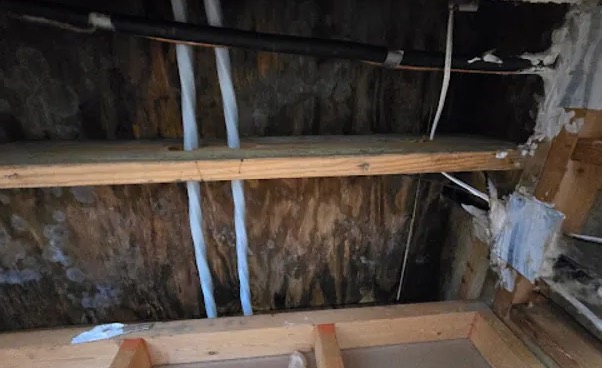
Expert Attic Water Damage Restoration Serving Dayton, TN
In Dayton, attics get hot in summer and damp in cooler months. That cycle matters after a leak: heat can speed drying, but poor ventilation can trap moisture and keep wood damp.
In Dayton, attic water damage often shows up as a ceiling stain after heavy rain. Local attic drying pros serve Dayton, Soddy-Daisy, Middle Valley and Athens, finding the leak point and drying the wood, insulation and drywall.
Available Attic Water Damage Restoration Work in Dayton
Attic Moisture Inspection
Moisture meters and thermal cameras check decking, rafters, insulation and the ceiling below to find every wet area.
Roof Leak Water Removal
A tarp can be placed over the damaged roof section to stop more rain from getting in while drying begins below.
Attic Drying Services
Equipment is placed on boards or platforms in the attic so it can run safely without stressing the ceiling drywall.
Ceiling Water Damage Cleanup
A ceiling stained or soaked from an attic leak is drained safely, and sagging drywall is cut out before it falls into the room.
Wet Attic Insulation Removal
Blown-in insulation that got wet clumps and packs down. It is vacuumed out of the affected area and replaced after the attic is dry.
Warning Signs You Need Attic Water Damage Restoration
Peeling Paint or Wallpaper
Paint that bubbles or peels on upstairs ceilings and walls often has water behind it.
Active Leak During Rain
Water dripping into the attic during rain shows an active roof leak that needs fixing and drying.
Musty Odors in Home
A musty or damp smell on the upper floor can point to wet insulation or wood in the attic.
Wet or Sagging Insulation
Insulation that looks matted, dark or compressed, or sags between joists, has absorbed water.
How Attic Water Damage Restoration Works in Dayton
Step 1: Initial Assessment and Water Removal
The pros find the source, check safety in the attic and remove standing water and wet debris.
Step 2: Wet Attic Insulation Removal
Soaked batts or blown-in insulation are bagged and removed so the wood and drywall can dry.
Step 3: Targeted Attic Drying Process
Drying equipment is aimed at the wet framing and ceiling, and moved as areas reach normal readings.
Step 4: Sanitization and Mold Prevention
Once dry, decking and rafters that stayed wet can be cleaned and treated with an antimicrobial.
Common Causes of Attic Leaks in Dayton
Roof Leaks and Damaged Shingles
Missing, cracked or lifted shingles let rain reach the roof deck and drip into the attic.
Condensation From Poor Ventilation
Warm, moist air from the house condenses on cold roof decking when the attic is poorly vented.
Overflow From Bathroom Exhaust Fans
Bathroom fans that vent into the attic, or have disconnected ducts, release moisture onto the decking.
Clogged or Damaged Gutters
Clogged gutters overflow at the roof edge, pushing water under shingles and into the soffits.
Attic Water Damage Restoration for Homes and Businesses in Dayton, TN
Residential Attic Water Damage Restoration
At home, attic leaks usually show up as a stain on a bedroom or hallway ceiling. The attic is dried, wet insulation removed and the ceiling below repaired or dried in place.
Commercial Attic Water Damage Restoration
In commercial buildings, water above a drop ceiling can soak tiles, wiring and insulation across several rooms. Affected tiles are removed and the space above them is dried.
Handling Attic Water Damage: DIY Risks vs. Pro Help
If a ceiling is bulging with water, do not stand under it. Place a bucket nearby, keep people away and call local attic drying pros to drain and remove it safely.
Cost Considerations for Attic Water Damage Restoration Work
The cost of attic water damage restoration in Dayton depends on how much of the attic got wet, whether insulation and ceiling drywall must come out, and how long drying takes.
Type of Water Involved
Clean rainwater is simpler to handle than water from a drain or a contaminated source.
Mold Prevention Measures
Antimicrobial treatment of decking and rafters that stayed wet is an added cost.
Duration Before Response
A leak found right away costs less to fix than one that soaked the attic for weeks.
Does Insurance Cover Attic Water Damage Restoration?
Ceiling damage below an attic leak is usually handled as part of the same claim. Make sure the adjuster sees both the attic and the room below.
Why Choose Local Pros for Attic Water Damage Restoration in Dayton
Industry Drying Standards
Drying follows industry water damage standards, with readings taken at each visit.
Advanced Moisture Detection
Moisture meters and thermal cameras find wet insulation, wood and drywall that look dry.
Detailed Documentation
Photos, readings and drying logs are kept to support your insurance claim.
24/7 Emergency Attic Water Damage Restoration in Dayton
Storm, night or holiday, the pros handle attic leaks in Dayton. Call (423) 482-9838 to get the water out and drying started.
Call Now (423) 482-9838Local Attic Water Damage Restoration Coverage Area
The places below are also served, and each one has its own page.
- Attic Water Damage Restoration in Soddy-Daisy
- Attic Water Damage Restoration in Middle Valley
- Attic Water Damage Restoration in Middle Valley
- Attic Water Damage Restoration in Athens
- Attic Water Damage Restoration in Falling Water
- Attic Water Damage Restoration in Chatsworth
- Attic Water Damage Restoration in Calhoun
- Attic Water Damage Restoration in Dalton
Attic Water Damage Restoration FAQs
How is ceiling water damage from an attic leak repaired?
Sagging or soft drywall is removed, the cavity is dried, and new drywall is installed, taped and painted once readings are normal.
Does a roof leak always cause attic mold growth?
No. Mold is more likely when wood and insulation stay wet for days, so drying is the main way to prevent it.
Is attic mold prevention always needed after water damage?
Fast drying is always needed. Antimicrobial treatment is added when wood stayed wet long enough to need it.
Why is an attic moisture inspection important after a leak?
Water spreads along rafters and insulation away from the drip point. Meters find all of it, so nothing is left wet.
What are common signs of poor attic ventilation?
Damp or dark roof decking, rusted nails, musty smells and condensation on the underside of the roof.