Middle Valley, TN · Hamilton County
HVAC Fire Damage Cleanup in Middle Valley, TNEmergency HVAC System Shutdown & HVAC Soot
HVAC filter replacement, post-fire duct sanitization, and smoke odor neutralization are elements of HVAC Fire Damage Cleanup in Middle Valley.
Answered 24/7
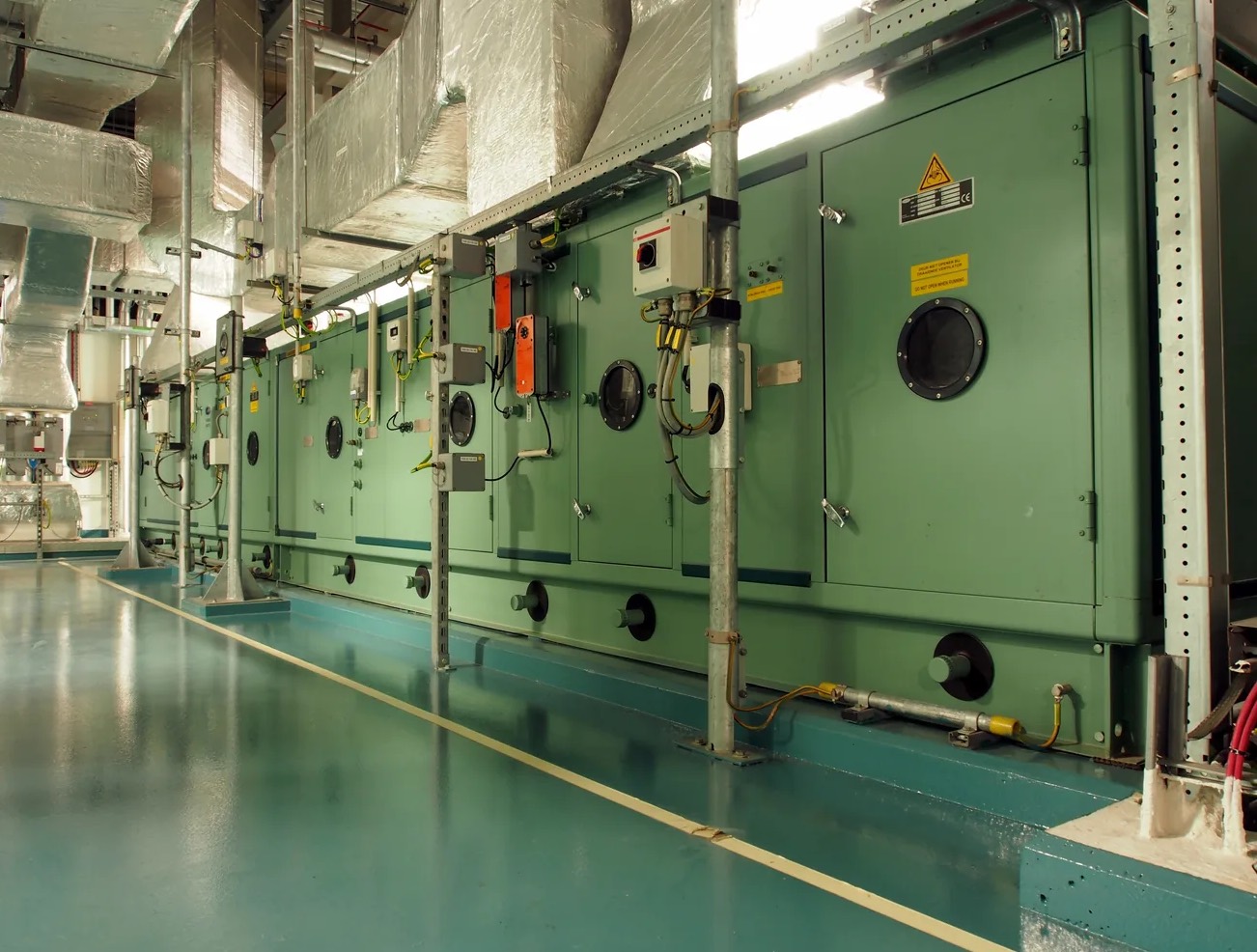
Your Local Solution for HVAC Fire Damage Cleanup in Middle Valley
HVAC fire damage cleanup is essential because soot and smoke residues can quickly spread through ducts, contaminating your entire home's air. This compromises safety and causes lingering odors.
In Middle Valley and nearby locales like Soddy-Daisy, Falling Water and Hixson, odor removal after fire in HVAC is common. Odor particles bind to dust and ducts. Local soot removal specialists use oxidation during duct sanitization to break them down.
Complete HVAC Fire Damage Cleanup Solutions in Middle Valley
Emergency HVAC System Shutdown
Shutting down the HVAC system prevents the disaster from multiplying. The blower fan can pull smoky air and distribute it. Securing the power contains contamination until cleaning occurs.
HVAC Soot
Fire-damaged HVAC systems often contain hazardous soot and ash that must be cleared. The specialists focus on detailed removal of these materials from interior components to prevent further damage and improve function.
Air Quality Testing Post-Cleanup
Air quality testing post-cleanup verifies HVAC restoration effectiveness. It measures particulate matter and VOCs to ensure acceptable ranges. This data confirms the system is clean for homeowners in Middle Valley.
Air Duct Soot Removal
Soot inside ducts is oily and sticks to surfaces. Aggressive mechanical cleaning removes visible residue. The goal is to stop the distribution of odors and harmful materials.
HVAC Filter Replacement
Every HVAC filter needs replacement post-fire. This includes the main return and any secondary filters. Soot-loaded filters restrict airflow and strain the system.
Signs Your Middle Valley Home Needs HVAC Soot Removal
Increased Allergy or Respiratory Issues
New or worsening allergy symptoms among occupants can point to poor indoor air quality from post-fire HVAC contamination.
Discoloration on Walls Near Vents
Yellow or brown staining on walls or ceilings around air vents suggests soot-laden air is being distributed from the ducts.
Ash or Debris Blowing From Vents
Finding particulate matter or ash being discharged from your vents confirms the HVAC system is contaminated and needs attention.
Uneven Heating or Cooling Post-Fire
Temperature inconsistencies in different rooms can be caused by blocked vents or registers from fire damage air quality issues.
How HVAC Fire Damage Cleanup Works in Middle Valley
Step 1: Source Identification and Inspection
The inspection locates the main pathways of smoke intrusion into the ductwork. Understanding this flow is essential for planning an effective post fire HVAC cleaning strategy for the entire system.
Step 2: Dry Soot and Debris Extraction
The bulk of dry soot is vacuumed out using high-powered HEPA-filtered extraction units. This soot removal from air ducts is a dry process to avoid creating mud-like residues inside the ducts.
Step 3: Detailed Component Cleaning
Attention turns to individual components like the heat exchanger, drip pan, and accessible duct sections. This blower motor and coil cleaning step requires careful disassembly and manual cleaning by the pros.
Step 4: Final Air Scrubbing and Filtration
Air scrubbers with HEPA filters run to purify the air in the home. This final polish captures airborne particles released during cleaning, completing the air quality testing post-cleanup preparation phase.
Causes of Soot in Ducts for HVAC Fire Damage Cleanup
Neighboring Structure Fire Smoke Infiltration
Smoke from a nearby fire can be drawn into your home's ventilation system, contaminating ducts and components with external soot.
Chemical Residues From Burning Materials
Modern furnishings and building materials release acidic, corrosive chemicals when burned, which coat and damage HVAC components.
Soot Backdraft During Firefighting
Firefighting activities can create pressure changes that force soot and smoke deep into wall cavities and the air duct system.
House Fire or Kitchen Fire
A primary structure fire forces massive amounts of soot, smoke, and chemical residues directly into the home's HVAC intake and ductwork.
HVAC Fire Damage Cleanup for Homes and Businesses in Middle Valley
Residential HVAC Fire Damage Cleanup
The goal for any home is to eliminate health hazards after a fire. Smoke odor neutralization and cleaning soot from vents are critical steps. The specialists use IICRC-standard methods for this work.
Commercial HVAC Fire Damage Cleanup
Restoring a business property involves addressing air quality concerns for liability and reopening. Comprehensive post fire HVAC cleaning and vent cleaning for smoke damage ensure the ventilation system no longer distributes harmful particulate.
Hiring Soot Removal Specialists for HVAC Fire Damage Cleanup in Middle Valley
If safe, visually inspect air vents for soot and take photos for insurance. Avoid running the HVAC system, as it spreads contamination. For cleaning and air quality testing, contact the specialists in Middle Valley.
What Affects HVAC Fire Damage Cleanup Cost in Middle Valley
Cleaning soot from vents and performing HVAC decontamination after smoke involves varying levels of effort, influencing the total cost based on your specific system's configuration and damage.
Emergency Service Needs
If emergency HVAC system shutdown and professional service are required, it can influence the project's initial mobilization and assessment phase.
Accessibility of Components
Easily accessed vents and a readily available air handler simplify the process of cleaning soot from vents and blower motors.
Post-Cleanup Verification
Including professional air quality testing post-cleanup adds a step to confirm the effectiveness of the HVAC system restoration after fire.
Does Insurance Cover HVAC Fire Damage Cleanup?
Whether air quality testing or HVAC filter replacement is covered is a question for the adjuster. Local pros supply documentation of the damage and restoration steps for the homeowner's claim.
The Value of Local Specialists for HVAC Fire Damage Cleanup
Duct Sanitization Process
Post-fire duct sanitization goes beyond cleaning to address microbial concerns that can arise after smoke and fire exposure.
IICRC-Standard Cleaning Protocols
Methods follow industry standards for soot removal from air ducts and HVAC decontamination after smoke, addressing particulate and residue properly.
Thorough Vent and Register Cleaning
Focus on cleaning soot from vents ensures airflow pathways are clear and contaminants are removed from accessible surfaces.
Emergency HVAC Fire Damage Cleanup Available in Middle Valley
For post-fire HVAC cleaning that begins with securing a system, immediate help is available. Call (423) 482-9838 to reach the experts for 24/7 emergency HVAC system shutdown and initial soot removal.
Call Now (423) 482-9838HVAC Fire Damage Cleanup Service Area Includes Middle Valley
Each place listed below has its own page with local details.
- HVAC Fire Damage Cleanup in Soddy-Daisy
- HVAC Fire Damage Cleanup in Ringgold
- HVAC Fire Damage Cleanup in Collegedale
- HVAC Fire Damage Cleanup in Harrison
- HVAC Fire Damage Cleanup in Fairmount
- HVAC Fire Damage Cleanup in East Ridge
- HVAC Fire Damage Cleanup in LaFayette
- HVAC Fire Damage Cleanup in Chattanooga
Your HVAC Fire Damage Cleanup Questions Addressed
What is post-fire duct sanitization?
It is the application of EPA-registered antimicrobial agents inside the ductwork after cleaning to inhibit microbial growth that soot and moisture from firefighting can encourage.
Does vent cleaning for smoke damage replace filters?
Vent cleaning addresses the duct pathways, but HVAC filter replacement after fire is always required, as filters are clogged with soot and are a primary line of defense.
How is odor removal after fire in HVAC achieved?
Specialized smoke odor neutralization techniques, such as sealing duct liners or using antimicrobial treatments and ozone, target odor molecules at their source within the HVAC system.
When are emergency HVAC cleaning services needed?
Immediate service is needed when soot is actively circulating or to perform an emergency HVAC system shutdown, which prevents further distribution of contaminants after a fire.
What steps are part of HVAC system restoration after fire?
Steps typically are emergency shutdown, detailed inspection, thorough cleaning of all components, replacement of damaged parts like filters, sanitization, and final air quality verification to ensure completeness.