Chatsworth, GA · Murray County
HVAC Leak Water Removal in Chatsworth, GADuctwork Condensation Water Removal & HVAC Cabinet Water Extraction
HVAC Leak Water Removal in Chatsworth covers HVAC cabinet water extraction, emergency HVAC leak cleanup, and wet insulation removal near HVAC.
Answered 24/7
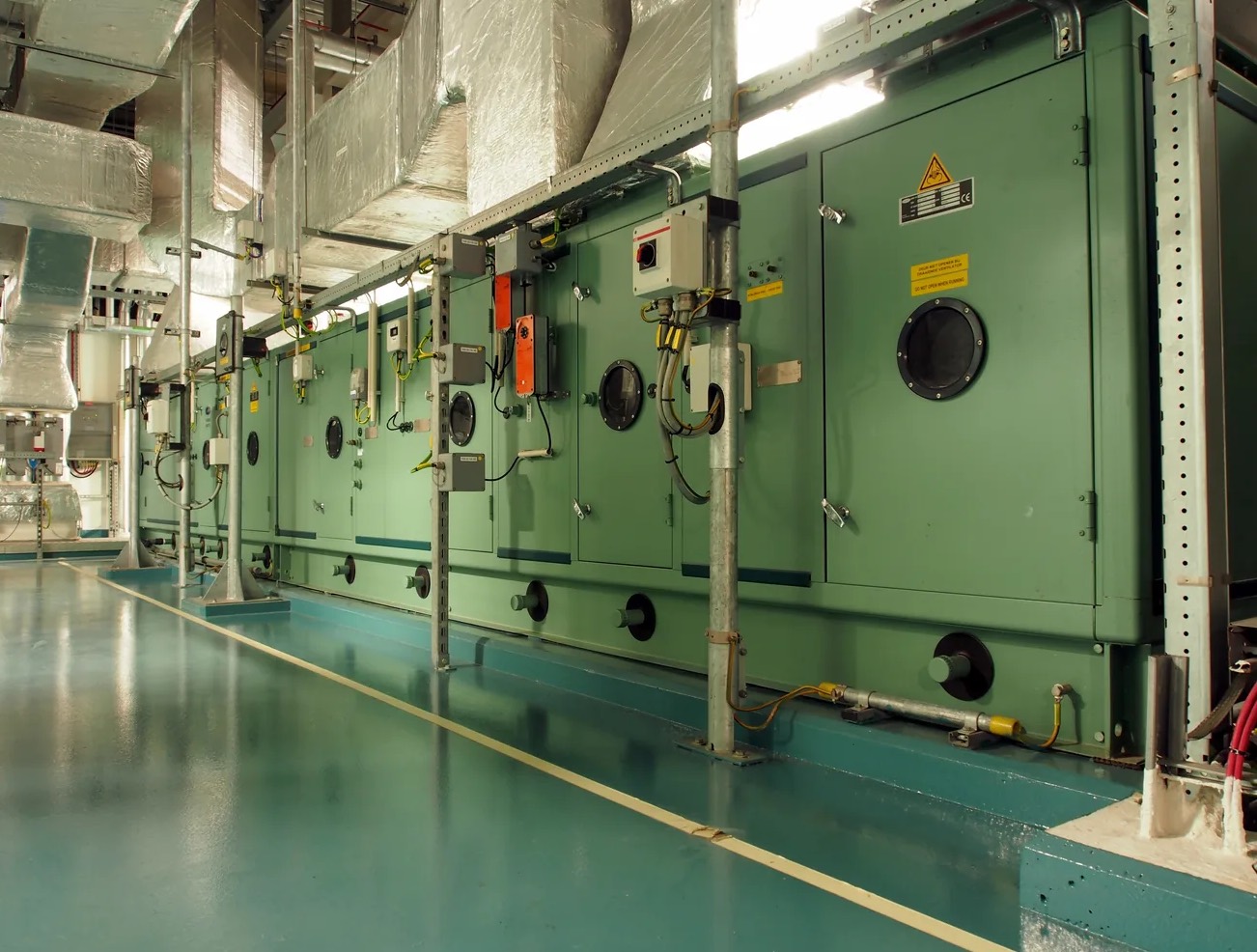
HVAC Leak Water Removal Solutions in Chatsworth
An HVAC leak in Chatsworth rarely stays at the unit. Water runs out of the pan, across the closet floor and under walls, and attic units drip straight through the ceiling below.
When an HVAC leak occurs in Chatsworth, water needs to come out quickly to protect interior finishes and electrical systems. Local water removal pros serve this community and nearby areas like Dalton, Calhoun and Ringgold, extracting water around the unit and drying wet ductwork before damage spreads.
HVAC Leak Water Removal Services in Chatsworth
Ductwork Condensation Water Removal
Cold air inside ducts meeting warm, humid air causes sweating and droplets. Condensation soaks insulation and damages ceiling materials.
HVAC Cabinet Water Extraction
Water inside an HVAC cabinet sits right next to wiring and the blower. Power is shut off first, then the water is pulled out with small wet vacuums made for tight spaces.
Emergency HVAC Leak Cleanup
A sudden major leak from a ruptured line or failed coil requires emergency cleanup. The priority is stopping the source and extracting standing water.
HVAC Drain Line Flood Cleanup
When a drain line fails over a concrete utility slab, extractors remove the water and the slab and wall bases are dried.
AC Condensate Leak Water Removal
A failing condensate pump or disconnected line can flood a mechanical closet. This requires urgent HVAC leak water removal.
Red Flags for HVAC Leak Water Removal in Chatsworth
Wet or Sagging Insulation Nearby
Damp insulation around an attic unit or in nearby walls holds water against the drywall and framing.
Unusual Sounds From the AC Unit
Gurgling, dripping, or hissing noises from the indoor unit frequently accompany a condensate drainage failure.
Visible Rust on Metal Components
Rust forming on the evaporator coil cabinet, drain pan, or supports indicates prolonged moisture exposure.
Musty Odors Near Air Vents
A musty smell when the system runs can point to wet insulation or mold inside the unit or ducts.
How HVAC Leak Water Removal Works in Chatsworth
Step 1: 24/7 Emergency Leak Response
The pros make the area safe, find where the leak started and start removing water.
Step 2: Condensation Leak Repair Focus
The cause, such as a clogged drain line or failed pump, is identified so it can be fixed and the leak does not return.
Step 3: Comprehensive Moisture Remediation
All wet materials are dried, including the hard-to-reach spaces inside walls and ceiling cavities.
Step 4: System Restoration and Testing
Readings confirm the area is dry, and the system can be restarted once the HVAC repair is done.
Frequent Sources of HVAC Leak Water Damage in Chatsworth
Frozen Evaporator Coil Thawing
A coil freezing due to low refrigerant or airflow can release large volumes of water upon thawing.
Clogged Condensate Drain Line
Algae, sludge, or debris blocking the primary drain pipe causes water to back up into the HVAC cabinet.
Refrigerant Leak at the Coil
A pinhole leak in the evaporator coil itself can allow refrigerant and moisture to escape simultaneously.
Improper HVAC System Slope
An air handler or drain line installed without correct pitch prevents gravity-driven water flow to the drain.
Residential and Commercial HVAC Leak Water Removal in Chatsworth
Residential HVAC Leak Water Removal
For homeowners, the pros address water from central AC units, attic air handlers, and basement furnaces. They extract the water to protect flooring, drywall and belongings, then dry wet ductwork.
Commercial HVAC Leak Water Removal
In businesses, water from rooftop units, mechanical rooms and long duct runs can reach offices, stock and electronics. The pros remove it and dry the space while working around business hours.
HVAC Leak Water Removal: DIY or Call Water Damage Pros in Chatsworth
If you find an HVAC leak, turn off the system at the thermostat and the breaker. Put towels down and move belongings away from the drip. Wiping up a little condensation is fine, but standing water or wet drywall needs drying equipment.
Understanding HVAC Leak Water Removal Costs in Chatsworth
For AC water damage, the number of drying days and the number of air movers and dehumidifiers drive most of the cost. HVAC repairs are billed separately.
Emergency Service Timing
HVAC leak cleanup started at night, on weekends or on holidays may be billed at a different rate.
Leak Source and Severity
Whether the leak came from a drain line, the coil or the pan changes how much water there is and where it went.
Extent of Water Spread
Water from a leaking AC can travel along ducts and inside walls, which makes the drying area larger.
Does Insurance Cover HVAC Leak Water Removal?
Policies often cover damage from a sudden leak but not wear and tear or a drain that was never cleaned. Photos and drying records help your adjuster review the claim.
Benefits of Local Pros for HVAC Leak Water Removal in Chatsworth
Focused on System Integrity
The goal is a dry unit area and dry materials around it, so the system can run safely again.
Precision Wet Insulation Removal
Wet insulation near the unit is removed so it does not hold water against framing and grow mold.
Detailed Damage Documentation
Photos and meter readings of the water damage give your adjuster clear records for the claim.
Emergency HVAC Leak Water Removal for Chatsworth Properties
Don't let a flooded HVAC unit compromise your home's air quality or safety. For urgent HVAC system water cleanup, reach the experts at (423) 482-9838.
Call Now (423) 482-9838Areas Served for HVAC Leak Water Removal from Chatsworth
The places below are also served, and each one has its own page.
HVAC Leak Water Removal FAQs
Why does my AC coil leak water?
A frozen coil that thaws, a clogged drain pan, or a cracked condensate drain line are common causes of water leaking from the AC unit.
How long does wet ductwork drying typically take?
It depends on how much water there is and how easy it is to reach. Most jobs take two to four days of drying with commercial equipment.
Is emergency HVAC leak cleanup necessary?
It is when water is spreading. Removing it early keeps it from reaching walls, ceilings and the rooms nearby, which keeps the damage smaller.
What is involved in HVAC leak water removal?
Stopping the leak, extracting standing water, drying the ducts, cabinet area, walls and floor, and checking for hidden moisture with meters.
Can wet insulation near HVAC be saved?
Often, yes. Wet insulation loses its value and is hard to dry in tight spaces, so it is usually removed and replaced once the area is dry.