Dayton, TN · Rhea County
Mold Remediation Services in Dayton, TNMold Odor Elimination & Basement Mold Cleanup
Mold Remediation Services in Dayton start with mold inspection services, then black mold remediation and post-flood mold remediation.
Answered 24/7
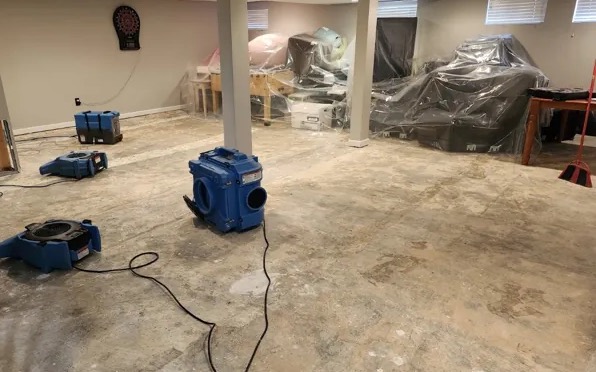
Mold Cleanup After Water Damage in Dayton
Mold can cause allergy and breathing symptoms, especially for people with asthma. In Dayton, visible mold or a musty smell means it is time to find the moisture source.
In Dayton, Soddy-Daisy, Middle Valley and Athens, local mold remediation specialists remove mold after water damage, clean affected framing and dry the area so the problem does not return.
Mold Cleanup Options in Dayton
Mold Odor Elimination
Odor treatment works only after the moldy material is gone. The pros remove the source, dry the area and use air filtration to clean the air.
Basement Mold Cleanup
Basement mold grows where walls stay damp from seepage or high humidity. The pros clean concrete and framing, remove moldy drywall and recommend ways to keep the space dry.
Attic Mold Removal
Mold on roof sheathing and rafters usually comes from a roof leak or poor attic ventilation. The pros clean or treat the wood and point out the moisture problem that caused it.
Mold Inspection Services
If you smell mold but cannot see it, an inspection checks common hiding spots such as under sinks, behind toilets, in attics and around windows.
Air Duct Mold Cleaning
A musty smell when the air turns on can point to mold in ducts or the air handler. The pros inspect, clean the affected sections and check the drain pan and coil area.
Signs of Mold Damage in Dayton Homes
Peeling Paint or Bubbling Drywall
Paint that bubbles or peels and drywall that feels soft point to moisture inside the wall, which mold needs to grow.
Past Water Damage That Was Not Dried
A leak or flood that was mopped up but not dried with equipment can leave moisture in walls and floors, where mold grows later.
Musty Smell That Will Not Go Away
A damp, earthy smell often means mold is growing somewhere out of sight, such as inside a wall, under flooring or in ductwork.
Stains or Discoloration
Yellow or brown stains on ceilings and walls show where water has been. Mold often grows in the same spot or just behind it.
How Mold Remediation Services Work in Dayton
Step 1: Assessment After Water Damage
After a leak or flood, the pros check how long materials stayed wet and where mold has started.
Step 2: Post-Flood Mold Containment
The affected rooms are contained to keep spores away from areas that stayed dry.
Step 3: Removing Flood-Damaged Materials
Wet and moldy drywall, carpet pad and insulation are removed and the framing is cleaned.
Step 4: Structural Drying
Air movers and dehumidifiers dry framing and subfloors until readings match dry reference areas.
Step 5: Clearance Before Rebuilding
A final inspection confirms the mold is gone and the area is dry before new materials go in.
What Leads to Mold Damage in Dayton
Overflowing Gutters
Gutters that overflow dump water next to the foundation, where it can seep into crawl spaces and lower walls.
Basement Seepage
Water seeping through foundation cracks keeps basement walls and floors damp, which leads to mold on drywall, framing and stored boxes.
High Indoor Humidity
When indoor humidity stays high, moisture collects on cool surfaces like windows, closet walls and corners, and mold follows.
Poor Bathroom Ventilation
Without a working exhaust fan, shower steam settles on ceilings and walls. Over time, mold grows on paint, grout and caulk.
Home and Business Mold Remediation Services in Dayton
Residential Mold Remediation Services
In homes, mold usually starts in bathrooms, under sinks, in attics or behind walls after a leak. The pros remove the affected materials and dry the area.
Commercial Mold Remediation Services
In offices and stores, mold often follows roof leaks or HVAC problems. Work can be planned in sections to keep the rest of the building open.
Mold Remediation Services vs. DIY: When to Call Local Specialists
Running a dehumidifier in a damp basement and keeping gutters clear are good DIY steps. Mold already on basement walls or framing should be removed by local mold remediation specialists.
Estimating Mold Cleanup Costs in Dayton
Mold after a flood often costs more to remove because large sections of drywall, flooring and insulation are affected.
Testing and Inspection
Mold testing is optional in many cases, but when it is needed it adds lab fees to the total.
Rebuilding After Removal
Replacing drywall, insulation and flooring after mold removal is often priced separately from the remediation itself.
Location of the Mold
Mold in attics, crawl spaces and inside walls is harder to reach and usually needs more labor than mold on an open wall.
Does Insurance Cover Mold Remediation Services?
Coverage depends on your policy and the cause of the moisture. The pros can provide records of the work, but only your insurer can confirm what is covered.
Reasons to Hire Pros for Mold Cleanup
Clear Scope Before Work Starts
An inspection sets out what will be removed, cleaned and dried before any work begins, so there are no surprises.
Drying After Removal
Mold returns if the area stays damp. The pros dry the structure and check readings before rebuilding.
Moisture Meters and Thermal Cameras
These tools show wet areas inside walls and under floors, which is where hidden mold usually grows.
24/7 Mold Cleanup After Water Damage in Dayton
After water damage in Dayton, drying helps stop mold before it starts. Call (423) 482-9838 any hour to talk through the next steps.
Call Now (423) 482-9838Mold Remediation Services Throughout Dayton
The places below are also served, and each one has its own page.
- Mold Remediation Services in Soddy-Daisy
- Mold Remediation Services in Middle Valley
- Mold Remediation Services in Middle Valley
- Mold Remediation Services in Athens
- Mold Remediation Services in Falling Water
- Mold Remediation Services in Chatsworth
- Mold Remediation Services in Calhoun
- Mold Remediation Services in Dalton
Your Mold Cleanup Questions Answered
What should I do while I wait for an inspection?
Avoid disturbing the mold, keep the area closed off, stop any active leak if you can and take photos for your records.
What happens to moldy drywall?
Drywall with mold is cut out, bagged and removed. The framing behind it is cleaned and dried before new drywall goes up.
Is mold in the attic a serious problem?
It can damage roof sheathing and framing over time and usually points to a roof leak or poor ventilation that should be fixed.
Why does bathroom mold keep coming back?
Usually because of poor ventilation or a hidden leak behind tile. Cleaning the surface does not fix either problem.
Do I need mold testing?
Not always. If mold is visible, testing often adds little. It can help when mold is suspected but cannot be seen.