Chattanooga, TN · Hamilton County
Wet Insulation Removal in Chattanooga, TNAttic Drying & Wet Attic Insulation Removal
Emergency Wet Insulation Removal for Chattanooga includes roof leak water removal, attic drying, and water damaged insulation replacement.
Answered 24/7
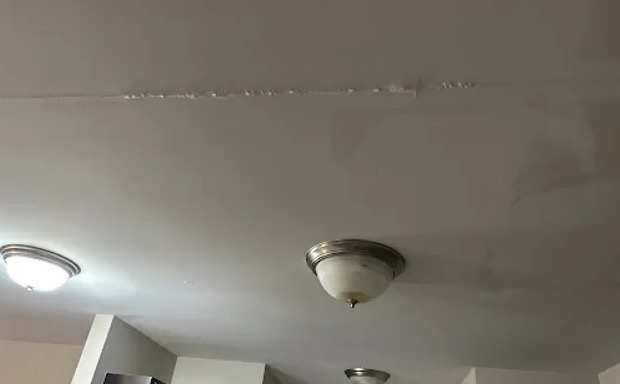
Reliable Wet Insulation Removal Serving Chattanooga, TN
In Chattanooga, wet insulation removal is vital because soaked insulation loses R-value and risks mold. Water damage pros focus on removal and replacement to restore thermal performance.
Attic leak repair and water extraction are essential for home integrity in Chattanooga and communities like Lookout Valley, East Chattanooga and Lookout Mountain. The experts handle moisture inspection to insulation replacement, following IICRC-standard methods.
Complete Wet Insulation Removal Solutions for Chattanooga
Attic Drying
Proper attic drying requires strategic airflow and humidity control. The pros place equipment to create an efficient drying chamber for all surfaces, including the roof deck.
Wet Attic Insulation Removal
Leaving wet insulation can cause mold and rot. The experts remove the waterlogged material carefully to avoid spreading contaminants, ensuring the attic cavity is clean for drying.
Attic Mold Prevention Services
A professional mold prevention treatment inhibits microbial growth on porous surfaces. The pros clean the attic framework and apply a protective coating.
Water Damaged Insulation Replacement
Choosing the right insulation replacement improves air quality and thermal performance. The pros install new material to manufacturer specifications for a uniform depth and density.
Attic Water Damage Cleanup
Attic water damage cleanup removes water, dries structural materials, and sanitizes. The pros in Chattanooga use industrial extractors and air movers on wooden beams, sheathing, and fixtures.
Common Signs Requiring Wet Insulation Removal in Chattanooga
Peeling Paint or Wallpaper
Paint or wallpaper that bubbles, cracks, or peels away from walls often results from hidden moisture and calls for professional moisture inspection.
Increased Energy Bills
Unexplained spikes in heating or cooling costs can point to wet insulation losing its R-value, making attic drying services an urgent need.
Wet or Clumpy Insulation
Finding wet, matted, or clumped insulation in your attic during a visual check confirms the need for wet insulation removal.
Condensation on Windows
Excessive condensation on the inside of windows may indicate high attic humidity from a leak, necessitating attic drying and dehumidification.
How Wet Insulation Removal Works in Chattanooga
Step 1: Containment and Assessment
The pros first set up containment to isolate the work area, then assess the scope of attic water damage cleanup needed, documenting conditions for insurance.
Step 2: Source Repair and Water Removal
If the leak source is accessible, temporary repairs are made. Then, all standing water is extracted, a key part of emergency attic water extraction services.
Step 3: Removal of Damaged Materials
Soggy, clumped insulation and any unsalvageable ceiling drywall are removed. This wet attic insulation removal process eliminates material that can harbor mold.
Step 4: Structural Drying and Verification
The attic's wooden structure is dried using professional-grade equipment. Moisture readings are taken to verify the space is dry before any insulation replacement occurs.
Frequent Sources of Wet Insulation Damage in Chattanooga
Natural Wear and Tear
Over time, roofing materials and sealants degrade, creating small openings for water to enter and slowly damage attic insulation.
Ice Dam Formation
In cold climates, heat loss melts snow on the roof, which refreezes at the eaves and forces water under shingles into the attic.
Improper Attic Ventilation
Inadequate soffit or ridge venting traps warm, moist air, which condenses on cold surfaces and soaks insulation, requiring attic drying services.
Appliance Malfunctions
A leaking water heater or washer supply line located in an attic can release large volumes of water, causing flooded attic cleanup.
Both Residential & Commercial Wet Insulation Removal in Chattanooga, TN
Residential Wet Insulation Removal
For houses, ceiling water damage repair often starts in the attic. The pros handle the source, removing compromised materials and performing attic mold prevention.
Commercial Wet Insulation Removal
Warehouses need efficient flooded attic cleanup to protect assets. The experts use high-capacity pumps for large-scale attic drying, minimizing business interruption from water incidents.
Wet Insulation Removal vs. DIY: When to Call Water Extraction Experts
Regularly cleaning gutters and inspecting the roof from the ground are excellent DIY tasks. If a leak appears, do not climb onto the roof. Call for professional attic leak repair.
Factors Influencing Wet Insulation Removal Cost in Chattanooga
Several elements determine wet insulation removal cost in Chattanooga. These include the water volume extracted, the equipment required, and whether ceiling repairs are needed. Attic access complexity is another consideration.
Emergency Service Timing
Requests for after-hours attic water extraction may involve a premium for mobilization of equipment and the experts outside of standard business hours.
Drying Time Required
A longer drying period means more days of running commercial dehumidifiers and air movers, which increases the overall cost for equipment rental and energy use.
Additional Repairs Needed
If the water damage extends to ceiling drywall or roof sheathing, those repair costs are separate from the insulation removal and replacement work itself.
Does Insurance Cover Wet Insulation Removal?
Coverage for water damaged insulation replacement is not automatic. Insurers assess the damage source. The experts mitigate damage and provide evidence for a homeowner's claim.
Why Choose Local Experts for Wet Insulation Removal in Chattanooga
Thorough Attic Drying Process
Industrial air movers and dehumidifiers are strategically placed. This creates optimal airflow to dry the attic structure and remaining materials completely.
IICRC-Standard Drying Methods
The experts employ industry-approved drying protocols. This ensures moisture is removed from structural materials effectively, helping to prevent secondary damage like mold.
Clear Process Communication
You are kept informed at each stage, from initial water extraction to final drying verification. This provides clarity on the restoration timeline and goals.
24/7 Emergency Wet Insulation Removal in Chattanooga
Urgent ceiling water damage repair and wet insulation removal cannot wait. Mold can begin growing in as little as 24-48 hours. For 24/7 emergency service, call (423) 482-9838.
Call Now (423) 482-9838The Wet Insulation Removal Service Area Covers Chattanooga
Wet insulation removal is critical for homes in Chattanooga after a leak. Effective attic water damage cleanup prevents mold and decay. The experts also serve Lookout Valley, East Chattanooga and Lookout Mountain.
Common Wet Insulation Removal Questions Answered
What tools are used for moisture inspection?
The pros use penetrating and non-penetrating moisture meters to measure content in materials. Thermal imaging cameras also help visualize temperature differences caused by hidden dampness in walls and ceilings.
How quickly should wet attic insulation be removed?
Wet insulation should be removed as soon as possible, ideally within 24-48 hours of getting wet. This timeline helps prevent permanent compression, loss of R-value, and mold growth.
Can I remove wet insulation myself?
DIY removal is not recommended due to exposure to contaminants, mold spores, and heavy, cumbersome material. Improper handling can also spread moisture and damage to other parts of the attic.
Why choose professional attic leak repair with insulation removal?
Professionals address the full scope: stopping the leak, removing ruined materials, drying the structure, and preventing mold. This integrated approach solves the root cause and the resulting damage.
What is the risk of delaying roof leak water removal?
Delay allows water to spread, damaging more insulation and structural wood. It significantly increases the risk of widespread mold growth, which is more complex and costly to remediate later.